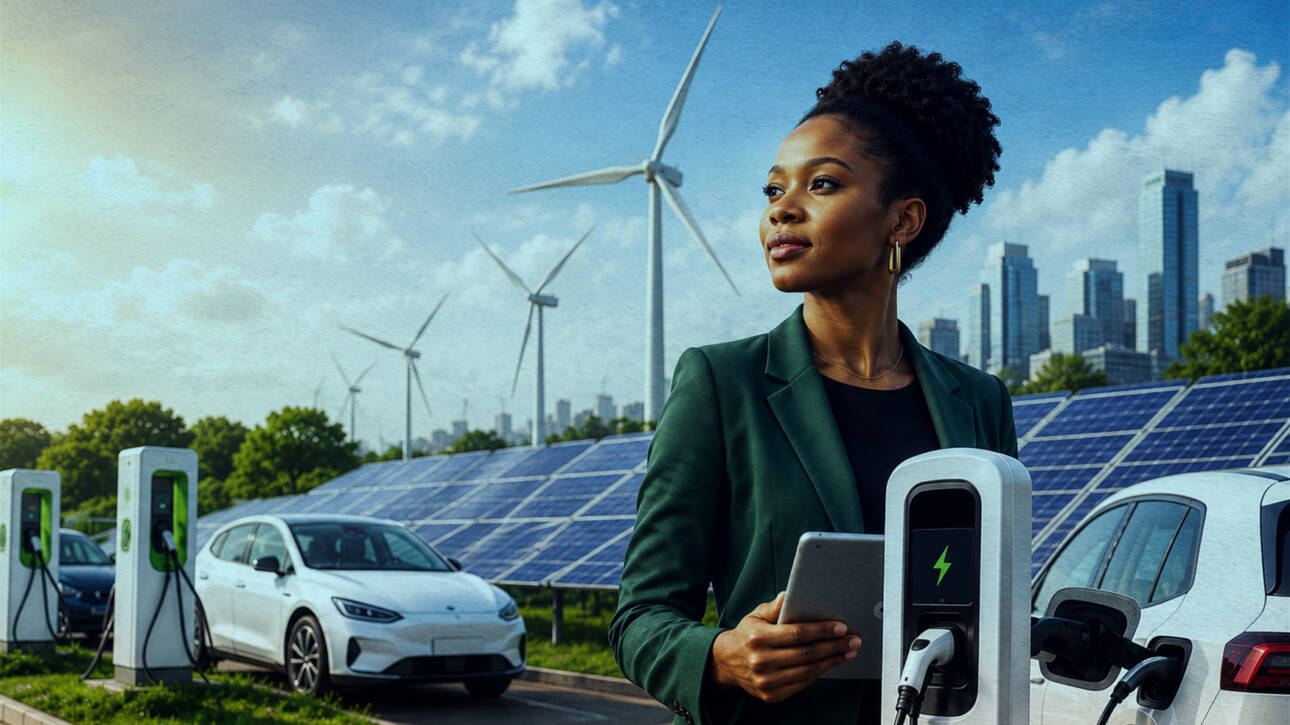
ClimEdge Hub Releases EnergyShift Communiqué No. 002 (2026): Advancing Women's Leadership in Africa's Energy Transition
On 11 July 2026, ClimEdge Hub convened another edition of the EnergyShift Webinar Series, bringing…
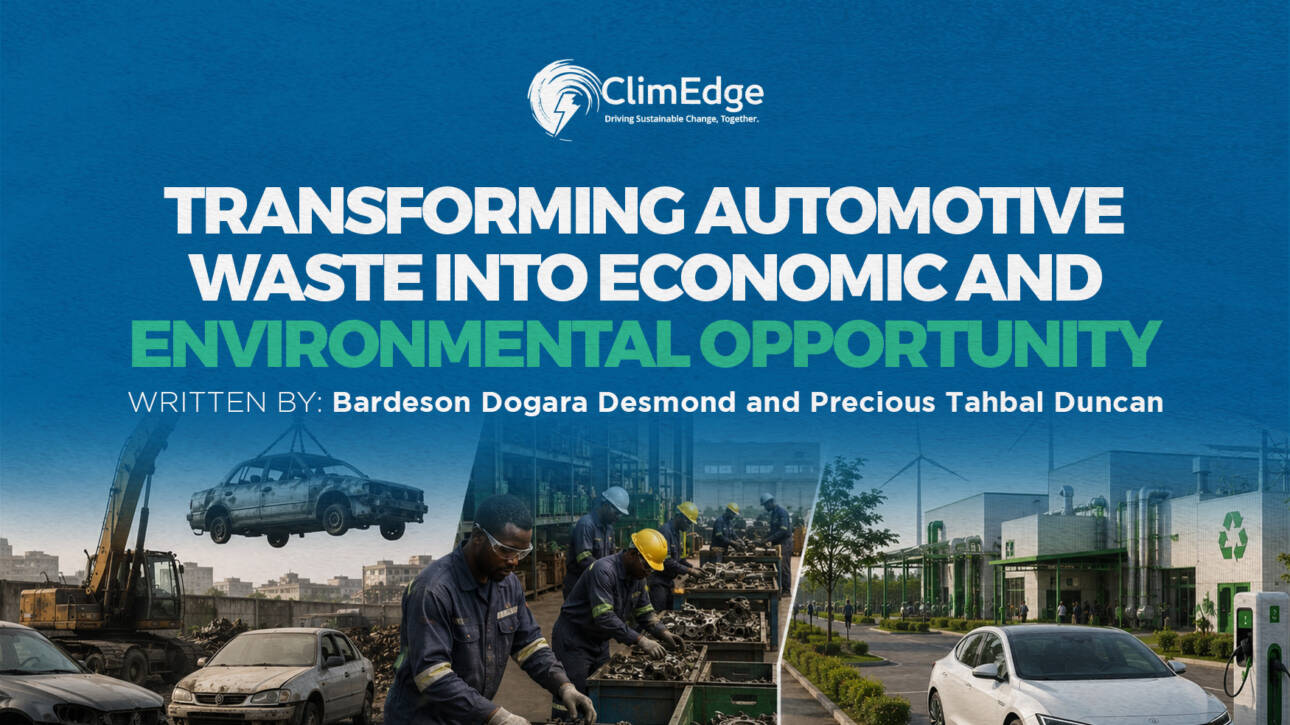
Transforming Automotive Waste into Economic Opportunity: Understanding Nigeria’s 2026 ELV Policy
Nigeria’s automotive industry is approaching a major turning point. For decades, the country has depended heavily on imported used…
1. Policy and Regulatory Developments
PiCNG Launches Electric Bus Fleet and Clean Mobility Phase 2- The Presidential Initiative on Compressed Natural Gas (PiCNG) inaugurated 40 electric-powered buses in Abuja in…
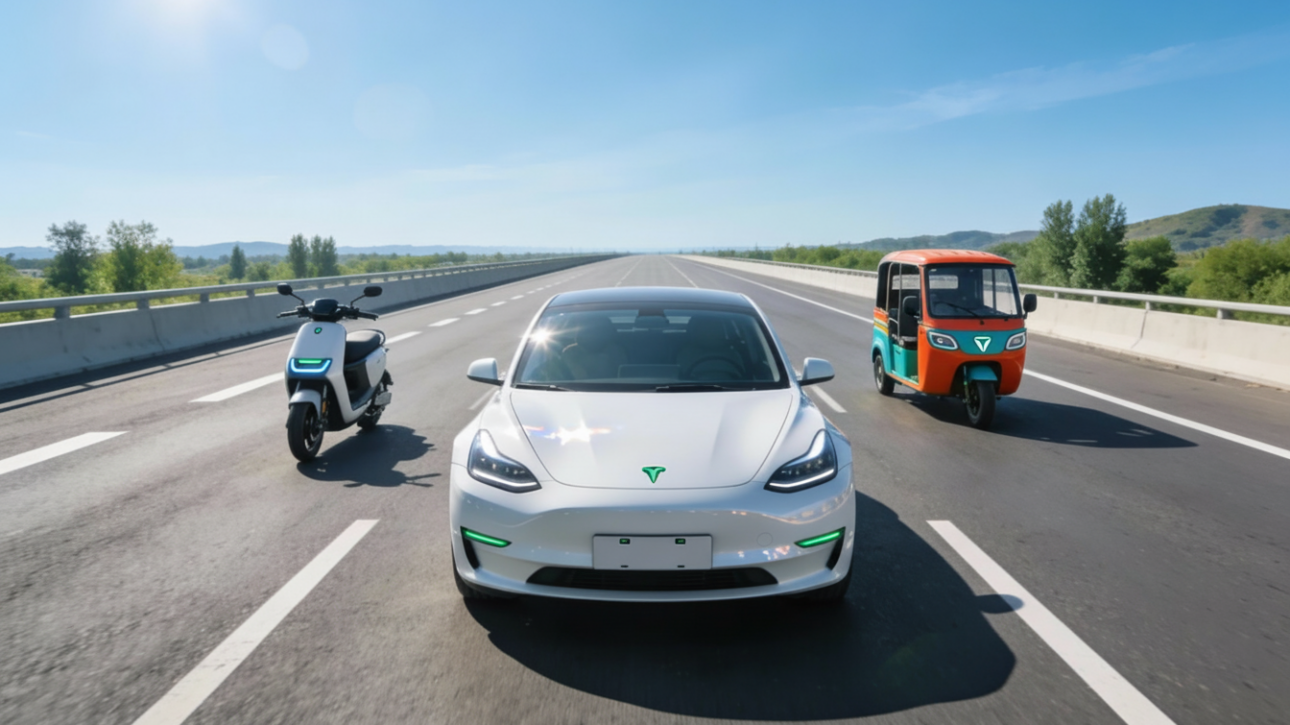
Nigeria stands on the brink of a transportation revolution. With over 230 million people and an estimated 12 million vehicles on its roads, nearly all powered by internal combustion engines…
Abstract
The transition to electric mobility (e-mobility) presents significant economic, environmental, and social opportunities for Nigeria. As the country seeks to reduce its dependence on fossil fuels and cut greenhouse…
A Comprehensive Analysis of the Environmental Impact of EVs vs. ICE Vehicles
INTRODUCTION
The global transition to electric mobility represents one of the most significant technological and environmental shifts of the 21st…